Latin America has emerged as one of the world's most rapidly developing e-commerce regions. Previously, this region was considered an "emerging" sector, but it has become a fast-growing, highly competitive space. Young consumers are driving this trend, increasing digital usage and leading significant advances in fashion and electronics.
What's particularly fascinating is not only how quickly these categories are expanding, but how they're adapting. Mobupps would like to show the bigger picture of how fashion and electronics are rising throughout Latin America. Let's dive in.
On the economic side, e-commerce in Latin America is accelerating faster than in many global markets. The region is expected to surpass $130 billion in revenue by 2025 and continue growing to over $170 billion by 2030, according to Statista. Some projections are even more aggressive, suggesting total GMV could exceed $300 billion as early as 2026.
Electronics alone is projected to reach $110 billion in 2026 and grow beyond $200 billion by the end of the decade, while revenue in the fashion market is projected to reach $160 billion in 2030.
Fashion and electronics are leading the way in LATAM, not just because of demand, but also because they align with how consumers in the region discover, evaluate, and purchase today.
First, both groups are at the crossroads of utility and aspiration. As the middle class expands, people are more inclined to spend on things that reflect their identity and lifestyle. Fashion allows for personal expression, whereas electronics, from cellphones to wearables, signify connectedness, convenience, and status. Cross-border commerce accelerates this trend by providing shoppers with access to global brands and expanded product offerings that were previously unavailable.
Second, these verticals are naturally suited for mobile and social commerce. Latin America's e-commerce growth rate is 1.5 times faster than the global average. This increase is highly concentrated, with Brazil, Mexico, and Argentina projected to account for roughly 85% of regional online sales by 2025. The market is mainly mobile-first, with smartphones accounting for 84% of all purchases. (Source) Fashion and electronics, which are highly visual and research-driven industries, perform well on Instagram and TikTok, where discovery occurs through content, while localized creatives and messaging increase engagement and conversion.
Finally, the region's robust marketplace and promotion culture help these categories grow even further. LATAM customers are extremely attentive to bargains, with shopping habits frequently based on flash sales, seasonal promotions, and large-scale commerce events. Marketplaces have created entire journeys centered on these moments, combining pricing incentives with convenience and trust. This dynamic is especially advantageous in electronics, where price comparison is critical, and fashion, where constant newness and seasonal decreases keep demand strong.
Consumer behavior in Latin America is characterized by a combination of economic pragmatism and significant interaction with digital technologies. Shoppers are increasingly mobile-first, with smartphones serving as their primary (and sometimes only) device for browsing and purchasing.
Over 35% of consumers select “best price” and “free shipping” as the main motivating factors to shop online. (Source) So, expectations are high: speedy delivery, a smooth user experience, and relevant offers. And users will quickly switch platforms if those expectations are not met.
Price sensitivity remains an important element, but this does not imply that customers are only interested in deals. LATAM customers frequently strike a mix between price and aspiration, demonstrating a strong interest in brands, trends, and product quality, particularly in fashion and electronics. Users expect platforms to understand their preferences and facilitate decision-making; personalization is becoming increasingly vital.
Social influence, highly popular in Argentina, is another defining trait. Creators, ratings, and peer validation significantly impact purchasing decisions, making social commerce a powerful force in both verticals. At the same time, broader trends are emerging. There is a growing interest in sustainability, notably in fashion, as well as an increase in cross-border purchasing, driven by a desire for lower prices and a broader product selection.
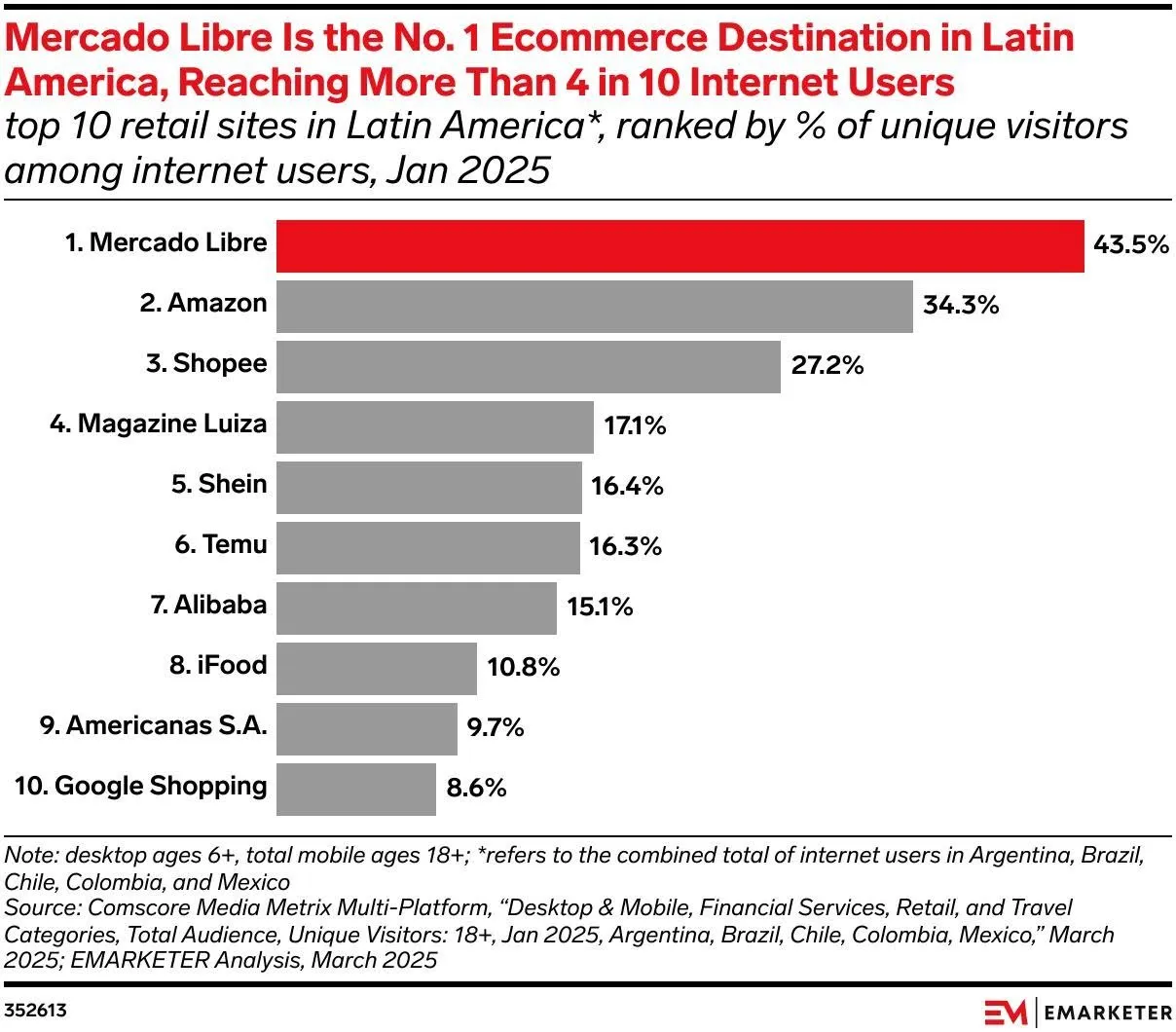
MercadoLibre serves as a perfect example of how this market is expanding. It has evolved from a marketplace to a fully integrated platform that offers payments, shipping, and credit solutions, eliminating barriers across the client journey and matching the LATAM market evolution.
AI is a potential growth driver in LATAM's fashion and electronics industries, even though acceptance levels vary. While larger players integrate AI across various tasks, many businesses use it in distinct, tactical ways, allowing an immense room for expansion.
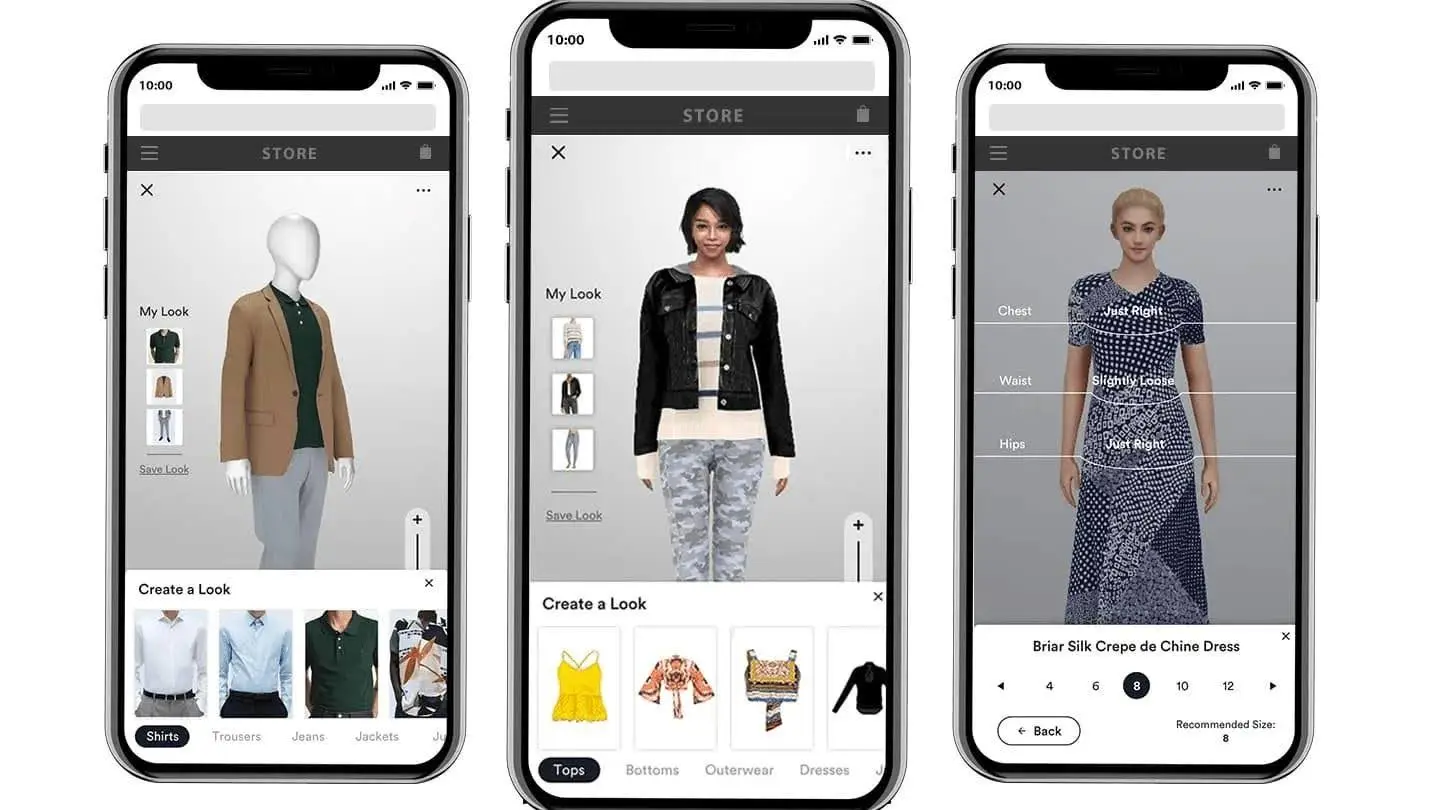
One of the most important aspects is personalization. Across all industries, AI is transforming product discovery by delivering more relevant, timely recommendations. Fashion retailers use it to recommend full outfits and style-based collections, whereas electronics shops use it to help customers make complex purchasing decisions by offering custom bundles and upgrade alternatives. As consumer expectations rise, this level of customization becomes necessary rather than free will.
AI is also enhancing operational efficiency in the background. Demand forecasting and inventory optimization are especially useful in LATAM, where logistics might be dispersed and demand patterns unpredictable. More precise forecasting enables brands to reduce stock difficulties and adapt more quickly to shifting trends.
Simultaneously, conversational commerce is gaining popularity. AI-powered chatbots and assistants are becoming increasingly popular for product discovery, customer service, and upselling via messaging platforms. These solutions enable brands to grow interactions while preserving speed and relevancy.
AI in marketing enables more efficient campaign execution by utilizing dynamic creatives, improved audience segmentation, and real-time optimization. Worth remembering, we talk about price-sensitive markets, where performance efficiency has a direct impact on revenue growth.
Despite this advancement, many businesses are still not implementing AI, or are doing so slowly and missing a competitive opportunity: connecting AI capabilities throughout the customer journey.
To thrive in LATAM's fashion and electronics verticals, marketers are executing tactics that suit the region's mobile-first, price-sensitive, and socially active consumer base.

Fashion and electronics in Latin America are influencing how the entire e-commerce sector runs with "fully digital" customers. Global market players add scale, but local companies excel at agility and cultural relevance. At the same time, the differences between industries are blurring: fashion is becoming more data-driven, while electronics is shifting to lifestyle positioning.
In the next few years, the focus will be on execution rather than expansion alone. Strong localization, efficient operations, and intelligent use of AI and data will prevail in an increasingly competitive region.
Looking to expand your presence in LATAM? Discover how Mobupps can help you attract high-value consumers, optimize performance with AI-driven strategies, and achieve long-term success in fashion and electronics.
Latin America has emerged as one of the world's most rapidly developing e-commerce regions. Previously, this region was considered an "emerging" sector, but it has become a fast-growing, highly competitive space. Young consumers are driving this trend, increasing digital usage and leading significant advances in fashion and electronics.
What's particularly fascinating is not only how quickly these categories are expanding, but how they're adapting. Mobupps would like to show the bigger picture of how fashion and electronics are rising throughout Latin America. Let's dive in.
On the economic side, e-commerce in Latin America is accelerating faster than in many global markets. The region is expected to surpass $130 billion in revenue by 2025 and continue growing to over $170 billion by 2030, according to Statista. Some projections are even more aggressive, suggesting total GMV could exceed $300 billion as early as 2026.
Electronics alone is projected to reach $110 billion in 2026 and grow beyond $200 billion by the end of the decade, while revenue in the fashion market is projected to reach $160 billion in 2030.
Fashion and electronics are leading the way in LATAM, not just because of demand, but also because they align with how consumers in the region discover, evaluate, and purchase today.
First, both groups are at the crossroads of utility and aspiration. As the middle class expands, people are more inclined to spend on things that reflect their identity and lifestyle. Fashion allows for personal expression, whereas electronics, from cellphones to wearables, signify connectedness, convenience, and status. Cross-border commerce accelerates this trend by providing shoppers with access to global brands and expanded product offerings that were previously unavailable.
Second, these verticals are naturally suited for mobile and social commerce. Latin America's e-commerce growth rate is 1.5 times faster than the global average. This increase is highly concentrated, with Brazil, Mexico, and Argentina projected to account for roughly 85% of regional online sales by 2025. The market is mainly mobile-first, with smartphones accounting for 84% of all purchases. (Source) Fashion and electronics, which are highly visual and research-driven industries, perform well on Instagram and TikTok, where discovery occurs through content, while localized creatives and messaging increase engagement and conversion.
Finally, the region's robust marketplace and promotion culture help these categories grow even further. LATAM customers are extremely attentive to bargains, with shopping habits frequently based on flash sales, seasonal promotions, and large-scale commerce events. Marketplaces have created entire journeys centered on these moments, combining pricing incentives with convenience and trust. This dynamic is especially advantageous in electronics, where price comparison is critical, and fashion, where constant newness and seasonal decreases keep demand strong.
Consumer behavior in Latin America is characterized by a combination of economic pragmatism and significant interaction with digital technologies. Shoppers are increasingly mobile-first, with smartphones serving as their primary (and sometimes only) device for browsing and purchasing.
Over 35% of consumers select “best price” and “free shipping” as the main motivating factors to shop online. (Source) So, expectations are high: speedy delivery, a smooth user experience, and relevant offers. And users will quickly switch platforms if those expectations are not met.
Price sensitivity remains an important element, but this does not imply that customers are only interested in deals. LATAM customers frequently strike a mix between price and aspiration, demonstrating a strong interest in brands, trends, and product quality, particularly in fashion and electronics. Users expect platforms to understand their preferences and facilitate decision-making; personalization is becoming increasingly vital.
Social influence, highly popular in Argentina, is another defining trait. Creators, ratings, and peer validation significantly impact purchasing decisions, making social commerce a powerful force in both verticals. At the same time, broader trends are emerging. There is a growing interest in sustainability, notably in fashion, as well as an increase in cross-border purchasing, driven by a desire for lower prices and a broader product selection.
MercadoLibre serves as a perfect example of how this market is expanding. It has evolved from a marketplace to a fully integrated platform that offers payments, shipping, and credit solutions, eliminating barriers across the client journey and matching the LATAM market evolution.
AI is a potential growth driver in LATAM's fashion and electronics industries, even though acceptance levels vary. While larger players integrate AI across various tasks, many businesses use it in distinct, tactical ways, allowing an immense room for expansion.
One of the most important aspects is personalization. Across all industries, AI is transforming product discovery by delivering more relevant, timely recommendations. Fashion retailers use it to recommend full outfits and style-based collections, whereas electronics shops use it to help customers make complex purchasing decisions by offering custom bundles and upgrade alternatives. As consumer expectations rise, this level of customization becomes necessary rather than free will.
AI is also enhancing operational efficiency in the background. Demand forecasting and inventory optimization are especially useful in LATAM, where logistics might be dispersed and demand patterns unpredictable. More precise forecasting enables brands to reduce stock difficulties and adapt more quickly to shifting trends.
Simultaneously, conversational commerce is gaining popularity. AI-powered chatbots and assistants are becoming increasingly popular for product discovery, customer service, and upselling via messaging platforms. These solutions enable brands to grow interactions while preserving speed and relevancy.
AI in marketing enables more efficient campaign execution by utilizing dynamic creatives, improved audience segmentation, and real-time optimization. Worth remembering, we talk about price-sensitive markets, where performance efficiency has a direct impact on revenue growth.
Despite this advancement, many businesses are still not implementing AI, or are doing so slowly and missing a competitive opportunity: connecting AI capabilities throughout the customer journey.
To thrive in LATAM's fashion and electronics verticals, marketers are executing tactics that suit the region's mobile-first, price-sensitive, and socially active consumer base.
Fashion and electronics in Latin America are influencing how the entire e-commerce sector runs with "fully digital" customers. Global market players add scale, but local companies excel at agility and cultural relevance. At the same time, the differences between industries are blurring: fashion is becoming more data-driven, while electronics is shifting to lifestyle positioning.
In the next few years, the focus will be on execution rather than expansion alone. Strong localization, efficient operations, and intelligent use of AI and data will prevail in an increasingly competitive region.
Looking to expand your presence in LATAM? Discover how Mobupps can help you attract high-value consumers, optimize performance with AI-driven strategies, and achieve long-term success in fashion and electronics.