As we move toward 2026, the ad-tech world is shifting at a pace that’s hard to ignore. Mobile behavior is changing, new channels are emerging across APAC and SEA, and AI is reshaping how brands engage with users. With so much happening at once, knowing where to focus can make the difference between growth and getting left behind.
To help cut through the noise, we gathered insights from Mobupps experts across CTV, user acquisition, AI, gaming, affiliate marketing, and other related fields. Each of them shares what tmobuhey expect to see next year: from smarter lead generation and evolving fraud challenges to new monetization models and regional trends that will influence how brands scale. These perspectives offer a practical look at what’s coming and what marketers, publishers, and app developers should be preparing for right now.
What new channels or platforms are likely to emerge as growth drivers in APAC?
In 2026, we’ll see APAC leading the way in mobile-first innovation. Short-form video platforms, social commerce apps, and gaming ecosystems will continue to dominate. As for emerging channels: live streaming, shoppable video, and CTV integrated with mobile campaigns will become key growth drivers. Regional players will shape local trends, creating opportunities for brands to reach highly engaged, niche audiences. To succeed, combine creativity with precise targeting and use new platforms to deliver immersive, culturally relevant campaigns at scale.
What’s the next big opportunity for app marketers?
The biggest growth lever will be contextual engagement, delivering the right message, creative, or reward at exactly the right micro-moment in the user journey. Marketers who can combine behavioral insights, real-time data, and adaptive creative will improve retention and drive higher ROAS. It’s about precision: understanding when a user is ready to act, what will motivate them, and how to make that experience feel natural rather than intrusive. Those who master this will stand out in a crowded app market.
What’s next for CTV performance advertising in 2026?
In 2026, CTV will fully evolve from a brand awareness tool into a performance powerhouse. Advances in attribution and audience mapping will enable marketers to track user actions across devices, from viewing an ad on TV to purchasing on mobile. CTV will no longer be judged by reach alone; it will deliver measurable ROAS, precise targeting, and campaign optimization comparable to digital channels, but with the storytelling power of television.
What are the opportunities and challenges of direct-to-consumer partnerships?
Direct-to-consumer (D2C) partnerships offer publishers a unique opportunity to monetize audiences more effectively while fostering deeper engagement. Collaborating directly with brands allows publishers to leverage rich first-party data to deliver highly targeted, personalized campaigns that drive measurable conversions. However, these partnerships also come with challenges: maintaining audience trust, ensuring transparency, and balancing promotional content with user experience. Publishers might unlock new revenue streams and long-term advertiser relationships by prioritizing relevance and authenticity.
What are the next big AI-driven trends in predictive analytics and personalization?
In 2026, predictive analytics will move from hindsight to foresight, enabling marketers to anticipate user behavior before it happens. AI models will increasingly combine real-time behavioral signals with historical data, creating hyper-personalized experiences at scale. Expect a shift toward dynamic personalization, where content, offers, and ad formats adapt instantly to each user’s context, from device and location to engagement patterns. Additionally, privacy-safe modeling techniques, such as federated learning and synthetic data, will allow companies to leverage rich insights without compromising user trust. Balancing between predictive precision and ethical data use will enable the highest engagement, retention, and ROI.
What will define successful lead generation strategies in 2026?
The winners in lead generation will be the ones who treat every potential customer as an individual, not a number. It’s about reaching the right person, with the right message, at the right moment, and doing it consistently across channels. AI and automation will help, but success will come from combining smart technology with a deep understanding of the customer journey. Marketers who can personalize at scale without losing the human touch will see the best results.
What’s the potential for cross-border campaigns within SEA?
Cross-border campaigns in SEA are a huge opportunity, thanks to shared digital behaviors, mobile-first adoption, and regional platforms. By leveraging insights from one market, brands can scale successful strategies across neighboring countries, optimizing for local nuances without having to reinvent the wheel. The trick is using data smartly: segment audiences, personalize creative for local tastes, and respect cultural differences. By combining efficiency with authenticity, brands can connect with a wider audience, drive better results, and expand their presence across the region more quickly than their competitors.
What are the key elements of a successful in-game or gamified ad?
Relevance, timing, and value are the fundamentals of success. The ad should feel like a natural part of the gaming experience, appear at the right moment, and offer something meaningful in different formats: a reward, a useful upgrade, or entertainment. From my experience, ads placed at natural transition points can achieve 3-5x higher engagement rates compared to random interruptions. When brands make the value proposition transparent, completion rates improve by 40-60% over vague promises.
How will affiliate marketing evolve next year?
Affiliate marketing will become increasingly data-driven, automated, and performance-focused. Networks and advertisers will rely on real-time analytics and AI to optimize partnerships, track high-value traffic, and reduce inefficiencies. Transparency will be paramount, so affiliates who provide verified, high-quality engagement will outperform, while long-term strategic relationships will replace short-term volume-driven approaches. Automation will also enable seamless global campaign management, ensuring consistent performance across regions and channels.
What HR trends will define the ad-tech industry next year?
The most successful ad-tech companies will be those that build flexible, people-first cultures. Remote and hybrid work will remain a baseline expectation, but what truly matters is learning agility. Employees must quickly adapt to new tools, technologies, and market shifts. HR teams will need to focus on continuous reskilling, mentorship, and cross-functional collaboration to empower teams to innovate and deliver results. Companies must invest in developing their people and retain top performers.
2026 is shaping up to be a defining year for the ad-tech space. At Mobupps, we’re focused on building solutions that help our partners move with the industry. Our goal is to give advertisers and publishers the tools they need to grow with confidence. With the right insights and a clear plan, the opportunities ahead in 2026 are bigger than ever. Let’s make the most of them.
As we move toward 2026, the ad-tech world is shifting at a pace that’s hard to ignore. Mobile behavior is changing, new channels are emerging across APAC and SEA, and AI is reshaping how brands engage with users. With so much happening at once, knowing where to focus can make the difference between growth and getting left behind.
To help cut through the noise, we gathered insights from Mobupps experts across CTV, user acquisition, AI, gaming, affiliate marketing, and other related fields. Each of them shares what tmobuhey expect to see next year: from smarter lead generation and evolving fraud challenges to new monetization models and regional trends that will influence how brands scale. These perspectives offer a practical look at what’s coming and what marketers, publishers, and app developers should be preparing for right now.
What new channels or platforms are likely to emerge as growth drivers in APAC?
In 2026, we’ll see APAC leading the way in mobile-first innovation. Short-form video platforms, social commerce apps, and gaming ecosystems will continue to dominate. As for emerging channels: live streaming, shoppable video, and CTV integrated with mobile campaigns will become key growth drivers. Regional players will shape local trends, creating opportunities for brands to reach highly engaged, niche audiences. To succeed, combine creativity with precise targeting and use new platforms to deliver immersive, culturally relevant campaigns at scale.
What’s the next big opportunity for app marketers?
The biggest growth lever will be contextual engagement, delivering the right message, creative, or reward at exactly the right micro-moment in the user journey. Marketers who can combine behavioral insights, real-time data, and adaptive creative will improve retention and drive higher ROAS. It’s about precision: understanding when a user is ready to act, what will motivate them, and how to make that experience feel natural rather than intrusive. Those who master this will stand out in a crowded app market.
What’s next for CTV performance advertising in 2026?
In 2026, CTV will fully evolve from a brand awareness tool into a performance powerhouse. Advances in attribution and audience mapping will enable marketers to track user actions across devices, from viewing an ad on TV to purchasing on mobile. CTV will no longer be judged by reach alone; it will deliver measurable ROAS, precise targeting, and campaign optimization comparable to digital channels, but with the storytelling power of television.
What are the opportunities and challenges of direct-to-consumer partnerships?
Direct-to-consumer (D2C) partnerships offer publishers a unique opportunity to monetize audiences more effectively while fostering deeper engagement. Collaborating directly with brands allows publishers to leverage rich first-party data to deliver highly targeted, personalized campaigns that drive measurable conversions. However, these partnerships also come with challenges: maintaining audience trust, ensuring transparency, and balancing promotional content with user experience. Publishers might unlock new revenue streams and long-term advertiser relationships by prioritizing relevance and authenticity.
What are the next big AI-driven trends in predictive analytics and personalization?
In 2026, predictive analytics will move from hindsight to foresight, enabling marketers to anticipate user behavior before it happens. AI models will increasingly combine real-time behavioral signals with historical data, creating hyper-personalized experiences at scale. Expect a shift toward dynamic personalization, where content, offers, and ad formats adapt instantly to each user’s context, from device and location to engagement patterns. Additionally, privacy-safe modeling techniques, such as federated learning and synthetic data, will allow companies to leverage rich insights without compromising user trust. Balancing between predictive precision and ethical data use will enable the highest engagement, retention, and ROI.
What will define successful lead generation strategies in 2026?
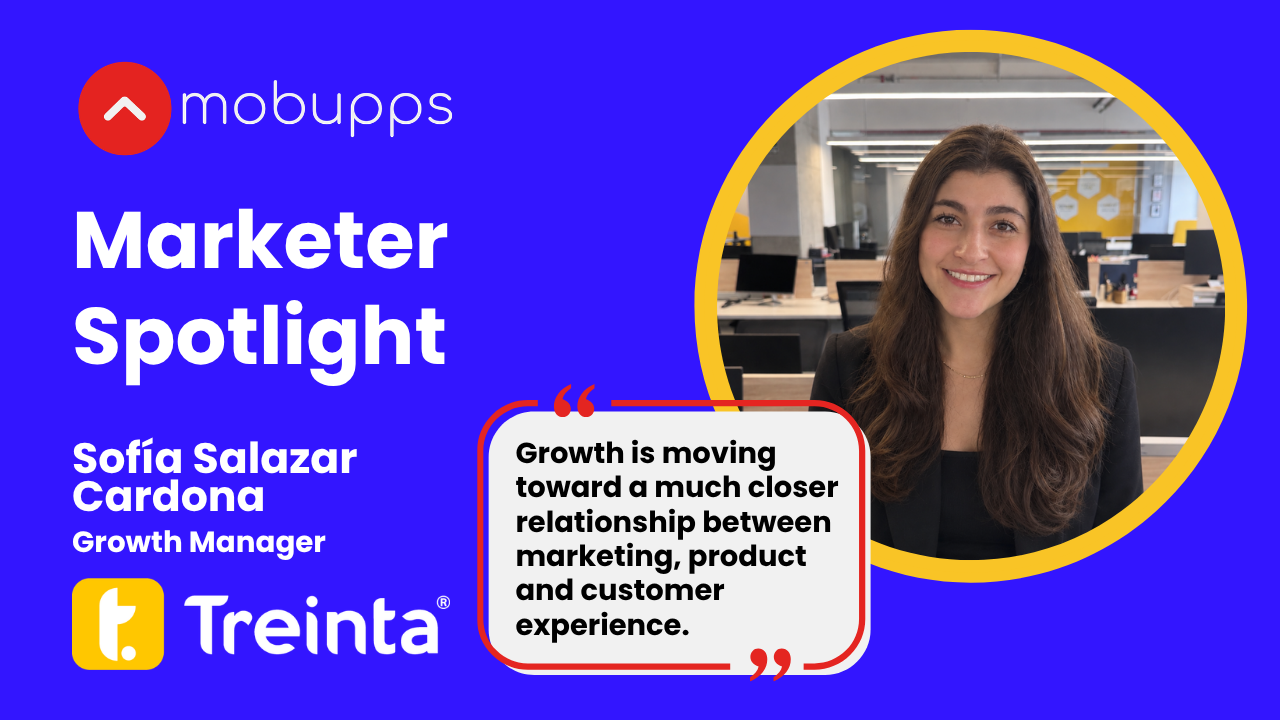
The winners in lead generation will be the ones who treat every potential customer as an individual, not a number. It’s about reaching the right person, with the right message, at the right moment, and doing it consistently across channels. AI and automation will help, but success will come from combining smart technology with a deep understanding of the customer journey. Marketers who can personalize at scale without losing the human touch will see the best results.
What’s the potential for cross-border campaigns within SEA?
Cross-border campaigns in SEA are a huge opportunity, thanks to shared digital behaviors, mobile-first adoption, and regional platforms. By leveraging insights from one market, brands can scale successful strategies across neighboring countries, optimizing for local nuances without having to reinvent the wheel. The trick is using data smartly: segment audiences, personalize creative for local tastes, and respect cultural differences. By combining efficiency with authenticity, brands can connect with a wider audience, drive better results, and expand their presence across the region more quickly than their competitors.
What are the key elements of a successful in-game or gamified ad?
Relevance, timing, and value are the fundamentals of success. The ad should feel like a natural part of the gaming experience, appear at the right moment, and offer something meaningful in different formats: a reward, a useful upgrade, or entertainment. From my experience, ads placed at natural transition points can achieve 3-5x higher engagement rates compared to random interruptions. When brands make the value proposition transparent, completion rates improve by 40-60% over vague promises.
How will affiliate marketing evolve next year?
Affiliate marketing will become increasingly data-driven, automated, and performance-focused. Networks and advertisers will rely on real-time analytics and AI to optimize partnerships, track high-value traffic, and reduce inefficiencies. Transparency will be paramount, so affiliates who provide verified, high-quality engagement will outperform, while long-term strategic relationships will replace short-term volume-driven approaches. Automation will also enable seamless global campaign management, ensuring consistent performance across regions and channels.
What HR trends will define the ad-tech industry next year?
The most successful ad-tech companies will be those that build flexible, people-first cultures. Remote and hybrid work will remain a baseline expectation, but what truly matters is learning agility. Employees must quickly adapt to new tools, technologies, and market shifts. HR teams will need to focus on continuous reskilling, mentorship, and cross-functional collaboration to empower teams to innovate and deliver results. Companies must invest in developing their people and retain top performers.
2026 is shaping up to be a defining year for the ad-tech space. At Mobupps, we’re focused on building solutions that help our partners move with the industry. Our goal is to give advertisers and publishers the tools they need to grow with confidence. With the right insights and a clear plan, the opportunities ahead in 2026 are bigger than ever. Let’s make the most of them.