Unlocking AI Creative Personalization For High-Growth Industries


The future of creative strategy is now very evident. However, to fully harness its power, we must first identify where it adds value throughout the creative journey, bringing together what are often isolated efforts across performance and creative teams.
Broad segmentation and generic messaging are no longer effective with consumers. Rather, they expect brands to understand their preferences, anticipate their needs, and deliver relevant experiences in real time to build brand confidence. And this is only made possible by AI.
AI highlights the creative potential of AI-driven strategies by allowing marketers to personalize not only product recommendations but also the creative layer of marketing, such as the images, messages, offers, and timing that shape user engagement, by analyzing enormous amounts of behavioral and contextual data.
However, without effective measurement and optimization, these creatives merely produce more noise. True creative optimization goes beyond surface-level changes such as location, color, and copy. It delves into the emotional and psychological triggers that propel action, including hooks, tales, and motivators inherent in the creative. Advanced AI can now decode these signals at scale, providing marketers with new insights to inform their strategy.
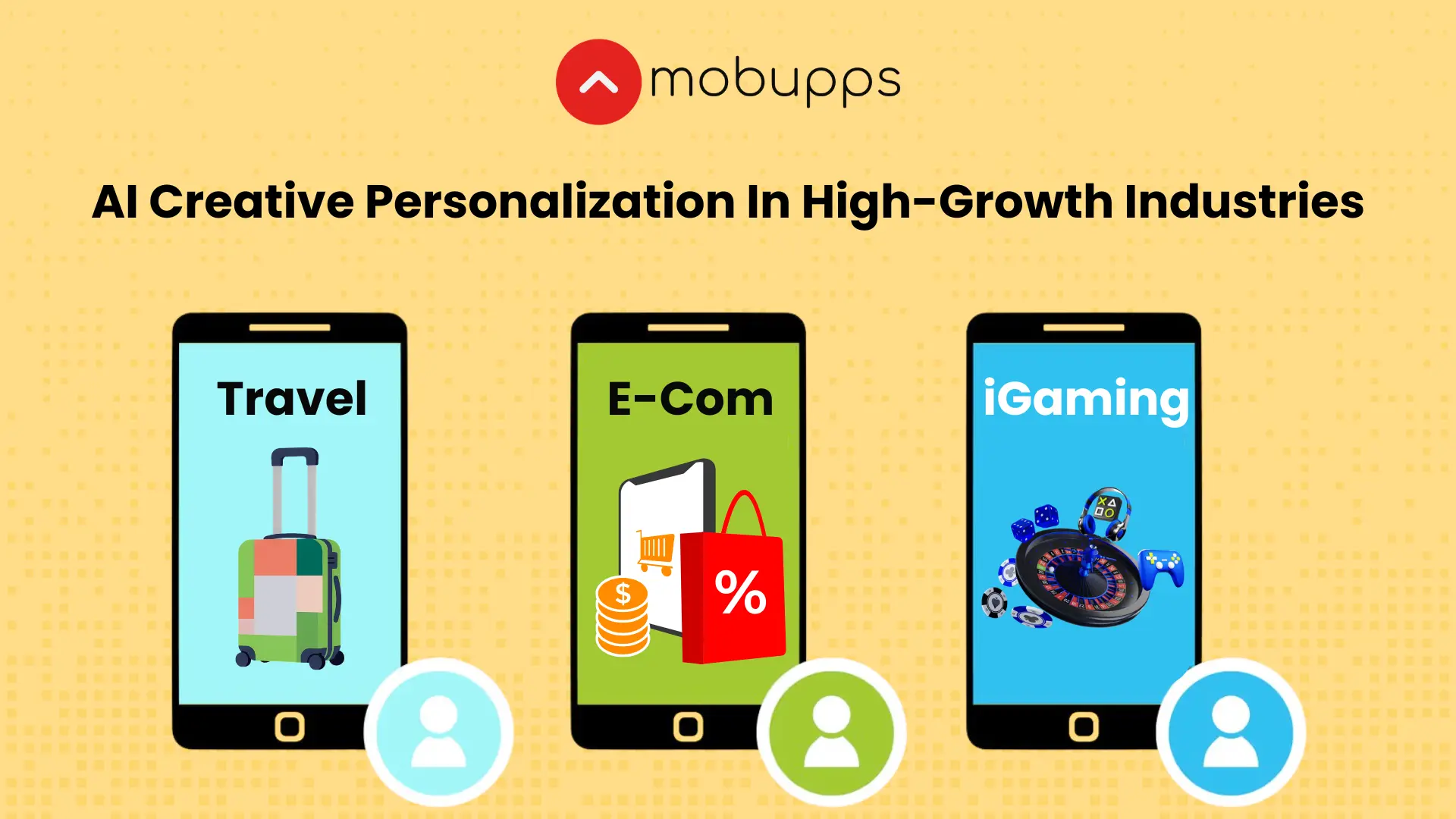
In industries such as iGaming, e-commerce, and travel, AI-powered creative personalization is becoming an integral part of brand content strategies to engage audiences. Companies are leveraging dynamic and adaptive visuals that respond to changing user behavior.
In gaming, only 2% of ad creatives account for 53% of spend, whereas in non-gaming, it is 43%. This 10-point difference emphasizes the disparities in creative techniques. Gaming marketers typically scale winning creatives quickly, focusing spend on top performers to maximize short-term effect. It is a high-intensity, performance-driven mindset. (AppsFlyer report 2025)
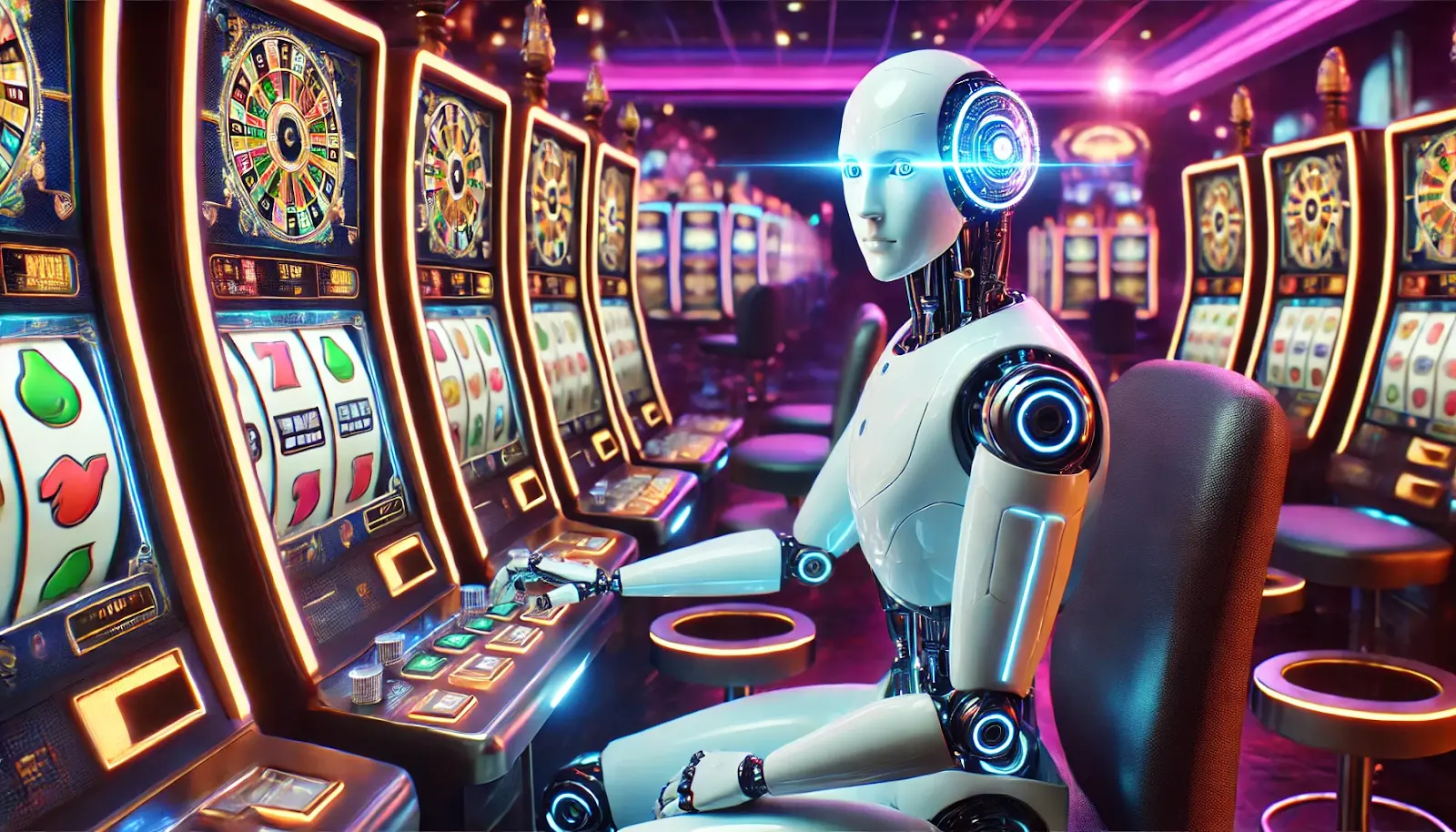
User engagement and retention are crucial in the fiercely competitive iGaming market. By customizing the whole player experience, AI enables operators to go beyond typical promotions.
Platforms can use real-time behavioral analysis to deliver personalized messaging at critical points in the user journey, modify bonus offers based on play style, and suggest games that suit a player's preferences. Additionally, creative assets like banners, push notifications, and in-app promotions can be dynamically modified based on player segments.
While casual users might be offered low-stakes games or introductory promotions, high-value players might receive VIP-focused visuals and invitations to exclusive tournaments. Conversely, sports bettors are most likely to respond favorably to advertisements associated with their preferred teams, leagues, or forthcoming matches.
As a result, iGaming platforms can boost player loyalty, boost session frequency, and enhance long-term value by matching promotional messaging with individual behavior.
Non-gaming advertisers frequently switch up their creative strategies. Spending is distributed more fairly, whether to appeal to a larger audience, preserve brand continuity, or mitigate risk. This approach shows a more careful, incremental strategy that values long-term involvement above quick spikes. (AppsFlyer report 2025)
E-commerce has been among the first verticals to use AI-driven personalization. Online retailers have used recommendation engines for a long time, but the technology is now much more advanced in its creative marketing applications.
Based on user behavior, AI allows brands to customize entire digital storefronts. Email content, product displays, promotional offers, and homepage banners can all dynamically adjust based on customer loyalty, browsing history, and purchase patterns.
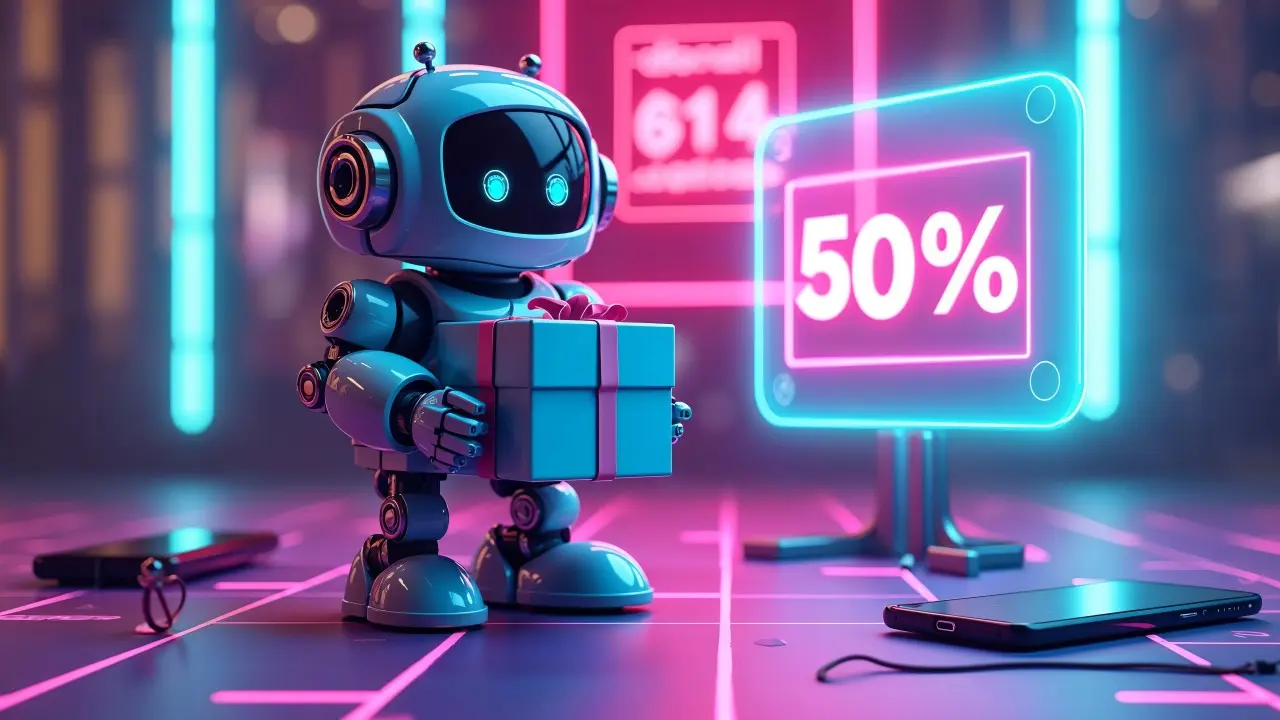
While emails about abandoned carts can automatically highlight previously viewed items along with pertinent discounts, a returning customer may see personalized product recommendations on the homepage. Additionally, seasonal promotions can be tailored according to customer segments, purchasing patterns, or geographic location.
All of the above have a major impact on retailers. Higher conversion rates, higher average order values, and stronger repeat-purchase behavior are frequently the results of customized creative strategies.
Because travel marketing is based on experiences, personalization is especially effective. AI helps travel companies figure out what people want by analyzing factors such as past trips, search behavior, travel preferences, and spending.
Travel websites can show trips that match a traveler's interests rather than just generic destination offers. For instance, a travel company could use AI to suggest eco-tourism packages to travelers who care about the environment. This tactic would create experiences highly relevant to them and increase engagement and loyalty.
Personalization also extends throughout the booking process. AI can create personalized travel plans, suggest useful extras such as excursions or seat upgrades, and send relevant travel information before and during the trip.
Travel companies can greatly increase conversion rates and build stronger customer loyalty by making inspiration, planning, and booking part of a single experience.
Although personalization varies by vertical, AI-driven creatives across industries are powered by common technologies and principles.
Instead of depending on a single "big idea", the most successful creative strategies focus on developing a system of ideas, utilizing AI to drive a cycle of testing, learning, and scaling, and embracing creative diversification.
Platforms can analyze user behavior and preferences through behavioral data modeling. Future actions, such as churn risk or purchase likelihood, can be predicted using predictive analytics. Generative AI can quickly produce personalized creative variations, from ad copy to visual assets. Perhaps most importantly, real-time decisioning systems determine which creative, message, or offer to deliver at a particular moment.
When it comes to content, advertisers should start with the fundamental creative "building blocks": a 9:16 video with audio, followed by text overlays, human presence, and emotive storytelling. Multiple audio components, emotional hooks in the first two seconds, and the presence of employees, creators, or customers contribute to the authenticity and engagement of content.
Additionally, marketers should embrace a mindset of constant experimentation, using AI to test new combinations and then quickly scale what succeeds.
As digital experiences improve, companies will want them to be more relevant and personalized, making marketers feel their work truly matters. AI is making it possible to meet those needs while keeping the size needed for modern marketing operations. Marketers across all fields have the chance to use AI-powered personalization to increase engagement, boost campaign performance, and strengthen bonds between brands and their customers.
At Mobupps, we leverage our proprietary AI products to power data-driven advertising campaigns and help our partners achieve stronger performance. We support our clients in optimizing campaigns, increasing engagement, and ultimately driving higher revenue through AI-driven insights and personalized creative solutions. If you’re looking to explore the potential of AI for your marketing strategy, become a Mobupps partner and unlock new growth opportunities in diverse verticals.
The future of creative strategy is now very evident. However, to fully harness its power, we must first identify where it adds value throughout the creative journey, bringing together what are often isolated efforts across performance and creative teams.
Broad segmentation and generic messaging are no longer effective with consumers. Rather, they expect brands to understand their preferences, anticipate their needs, and deliver relevant experiences in real time to build brand confidence. And this is only made possible by AI.
AI highlights the creative potential of AI-driven strategies by allowing marketers to personalize not only product recommendations but also the creative layer of marketing, such as the images, messages, offers, and timing that shape user engagement, by analyzing enormous amounts of behavioral and contextual data.
However, without effective measurement and optimization, these creatives merely produce more noise. True creative optimization goes beyond surface-level changes such as location, color, and copy. It delves into the emotional and psychological triggers that propel action, including hooks, tales, and motivators inherent in the creative. Advanced AI can now decode these signals at scale, providing marketers with new insights to inform their strategy.
In industries such as iGaming, e-commerce, and travel, AI-powered creative personalization is becoming an integral part of brand content strategies to engage audiences. Companies are leveraging dynamic and adaptive visuals that respond to changing user behavior.
In gaming, only 2% of ad creatives account for 53% of spend, whereas in non-gaming, it is 43%. This 10-point difference emphasizes the disparities in creative techniques. Gaming marketers typically scale winning creatives quickly, focusing spend on top performers to maximize short-term effect. It is a high-intensity, performance-driven mindset. (AppsFlyer report 2025)
User engagement and retention are crucial in the fiercely competitive iGaming market. By customizing the whole player experience, AI enables operators to go beyond typical promotions.
Platforms can use real-time behavioral analysis to deliver personalized messaging at critical points in the user journey, modify bonus offers based on play style, and suggest games that suit a player's preferences. Additionally, creative assets like banners, push notifications, and in-app promotions can be dynamically modified based on player segments.
While casual users might be offered low-stakes games or introductory promotions, high-value players might receive VIP-focused visuals and invitations to exclusive tournaments. Conversely, sports bettors are most likely to respond favorably to advertisements associated with their preferred teams, leagues, or forthcoming matches.
As a result, iGaming platforms can boost player loyalty, boost session frequency, and enhance long-term value by matching promotional messaging with individual behavior.
Non-gaming advertisers frequently switch up their creative strategies. Spending is distributed more fairly, whether to appeal to a larger audience, preserve brand continuity, or mitigate risk. This approach shows a more careful, incremental strategy that values long-term involvement above quick spikes. (AppsFlyer report 2025)
E-commerce has been among the first verticals to use AI-driven personalization. Online retailers have used recommendation engines for a long time, but the technology is now much more advanced in its creative marketing applications.
Based on user behavior, AI allows brands to customize entire digital storefronts. Email content, product displays, promotional offers, and homepage banners can all dynamically adjust based on customer loyalty, browsing history, and purchase patterns.
While emails about abandoned carts can automatically highlight previously viewed items along with pertinent discounts, a returning customer may see personalized product recommendations on the homepage. Additionally, seasonal promotions can be tailored according to customer segments, purchasing patterns, or geographic location.
All of the above have a major impact on retailers. Higher conversion rates, higher average order values, and stronger repeat-purchase behavior are frequently the results of customized creative strategies.
Because travel marketing is based on experiences, personalization is especially effective. AI helps travel companies figure out what people want by analyzing factors such as past trips, search behavior, travel preferences, and spending.
Travel websites can show trips that match a traveler's interests rather than just generic destination offers. For instance, a travel company could use AI to suggest eco-tourism packages to travelers who care about the environment. This tactic would create experiences highly relevant to them and increase engagement and loyalty.
Personalization also extends throughout the booking process. AI can create personalized travel plans, suggest useful extras such as excursions or seat upgrades, and send relevant travel information before and during the trip.
Travel companies can greatly increase conversion rates and build stronger customer loyalty by making inspiration, planning, and booking part of a single experience.
Although personalization varies by vertical, AI-driven creatives across industries are powered by common technologies and principles.
Instead of depending on a single "big idea", the most successful creative strategies focus on developing a system of ideas, utilizing AI to drive a cycle of testing, learning, and scaling, and embracing creative diversification.
Platforms can analyze user behavior and preferences through behavioral data modeling. Future actions, such as churn risk or purchase likelihood, can be predicted using predictive analytics. Generative AI can quickly produce personalized creative variations, from ad copy to visual assets. Perhaps most importantly, real-time decisioning systems determine which creative, message, or offer to deliver at a particular moment.
When it comes to content, advertisers should start with the fundamental creative "building blocks": a 9:16 video with audio, followed by text overlays, human presence, and emotive storytelling. Multiple audio components, emotional hooks in the first two seconds, and the presence of employees, creators, or customers contribute to the authenticity and engagement of content.
Additionally, marketers should embrace a mindset of constant experimentation, using AI to test new combinations and then quickly scale what succeeds.
As digital experiences improve, companies will want them to be more relevant and personalized, making marketers feel their work truly matters. AI is making it possible to meet those needs while keeping the size needed for modern marketing operations. Marketers across all fields have the chance to use AI-powered personalization to increase engagement, boost campaign performance, and strengthen bonds between brands and their customers.
At Mobupps, we leverage our proprietary AI products to power data-driven advertising campaigns and help our partners achieve stronger performance. We support our clients in optimizing campaigns, increasing engagement, and ultimately driving higher revenue through AI-driven insights and personalized creative solutions. If you’re looking to explore the potential of AI for your marketing strategy, become a Mobupps partner and unlock new growth opportunities in diverse verticals.